Last Updated on 2026-09-21 by Tina
Choosing the right Casual Shoes Manufacturer is an important decision for footwear brands, wholesalers, distributors and retailers. A good factory should do more than offer attractive shoe samples. It should understand your product requirements, control quality, support product development and deliver consistent production.
Many buyers begin by comparing prices. However, the lowest quotation does not always provide the best value. Differences in materials, construction, sample quality, packaging, communication and production control can create major problems later.
This guide explains how to choose a reliable Casual Shoes Manufacturer, especially when you are looking for custom casual shoes, OEM footwear, ODM development or private label production.
What Does a Casual Shoes Manufacturer Do?
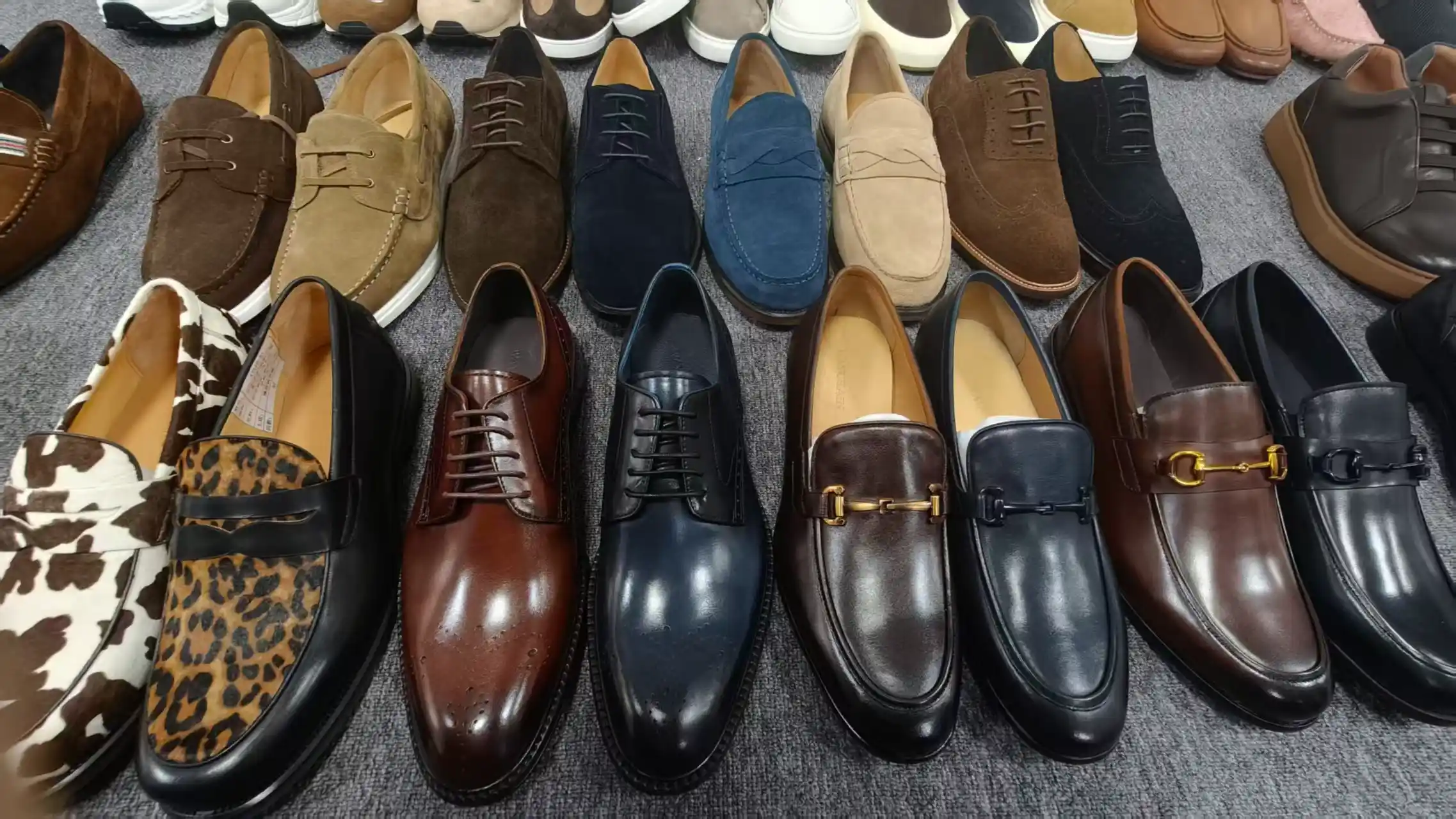
A Casual Shoes Manufacturer develops and produces casual footwear for brands, wholesalers, retailers and other footwear businesses.
Depending on the factory, the service may include:
- Product development
- Material selection
- Pattern making
- Sample production
- Upper stitching
- Lasting
- Sole attachment
- Finishing
- Quality inspection
- Packaging
- Bulk production
- Export support
Some factories only produce existing styles. Others provide a complete custom casual shoes service based on a buyer’s drawings, reference samples or product specifications.
Before contacting a factory, you should understand what level of support you need. A supplier that is suitable for standard wholesale shoes may not be suitable for a brand that requires exclusive designs and detailed customization.
How to Choose a Reliable Casual Shoes Manufacturer
A reliable Casual Shoes Manufacturer should match your product category, target market, order size and development requirements.
Instead of asking only for a catalogue and price, evaluate the factory through the following areas:
- Manufacturing experience
- Product development ability
- Material and construction knowledge
- Sample quality
- Quality control
- Communication
- MOQ and production planning
- Branding and packaging support
These factors help you compare suppliers more accurately and reduce the risk of choosing a factory that cannot support your project.
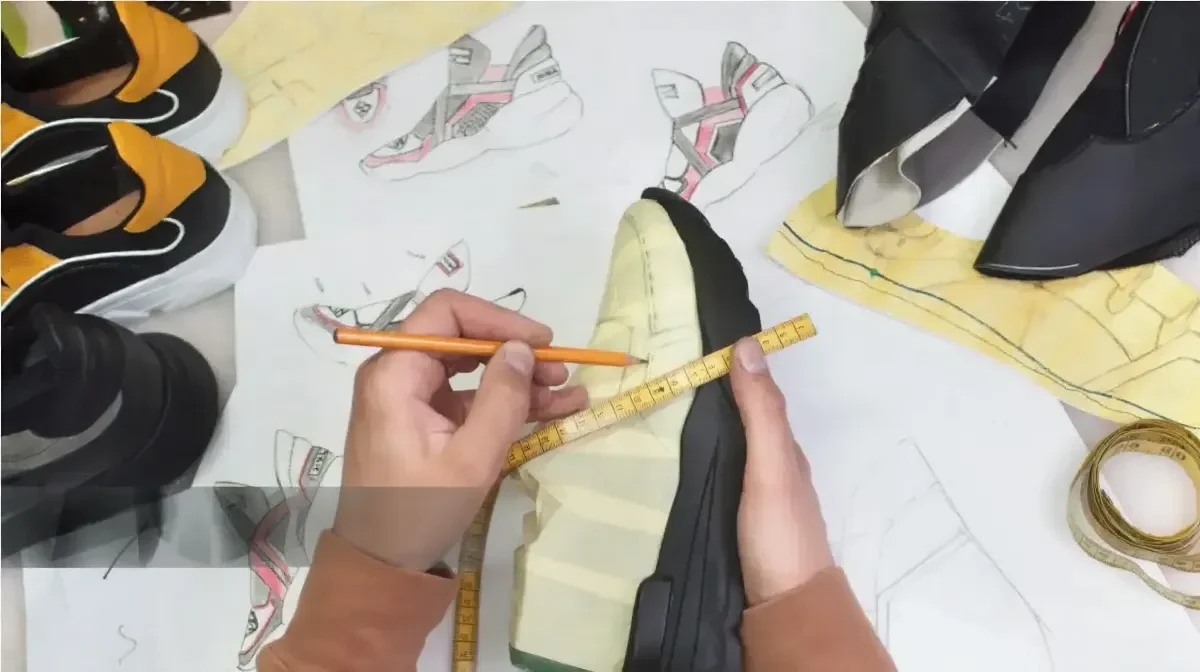
Check the Manufacturer’s Casual Footwear Experience
Not every shoe factory has the same manufacturing experience.
Some factories focus mainly on sports shoes. Others specialize in formal leather shoes, sandals, boots or casual footwear. A manufacturer may claim to produce all types of shoes, but you should still check whether its actual experience matches your product.
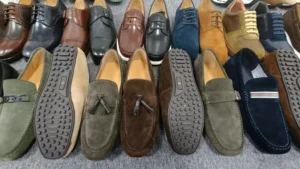
For example, if you need genuine leather casual loafers, the factory should understand leather selection, leather cutting, upper construction, lining, lasting and finishing. If you need casual sneakers, the factory should be familiar with textile or synthetic uppers, lightweight soles, cushioning and everyday comfort.
Ask the manufacturer:
- What casual shoe styles do you produce?
- Do you manufacture leather casual shoes?
- Can you produce loafers, boat shoes or casual sneakers?
- Can you share similar samples?
- Do you have experience with international B2B customers?
- Can you support repeat orders?
A manufacturer with relevant experience will usually identify product risks earlier and provide more useful suggestions during development.
Choose a Casual Shoes Manufacturer with OEM and ODM Capability
Different buyers need different development routes.
OEM footwear manufacturing is suitable when the buyer already has a design, technical drawings, specifications or a reference sample. The factory produces the shoes according to the buyer’s requirements.
ODM footwear manufacturing is suitable when the buyer needs help developing a product. The factory may provide design ideas, existing product platforms, material suggestions or construction solutions.
For example:
- An established brand may need OEM production based on its own tech pack.
- A new footwear brand may need ODM support to develop its first collection.
- A wholesaler may prefer existing styles with customized colors and branding.
- A private label buyer may need logos, labels, packaging and selected product changes.
A capable Custom Casual Shoes Manufacturer should be able to explain which route is suitable for your project instead of forcing every buyer into the same production model.
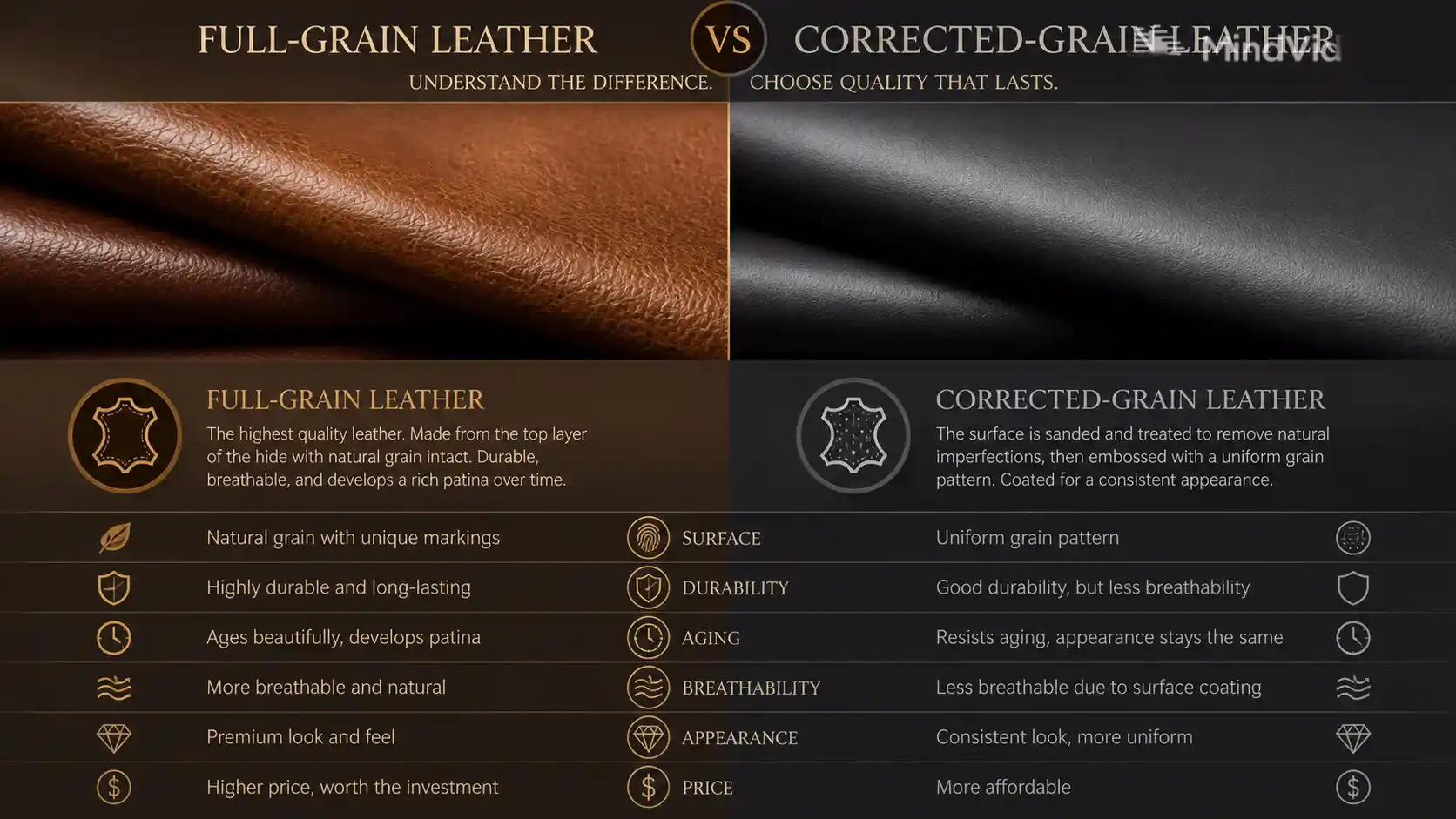
Review the Materials Used for Custom Casual Shoes
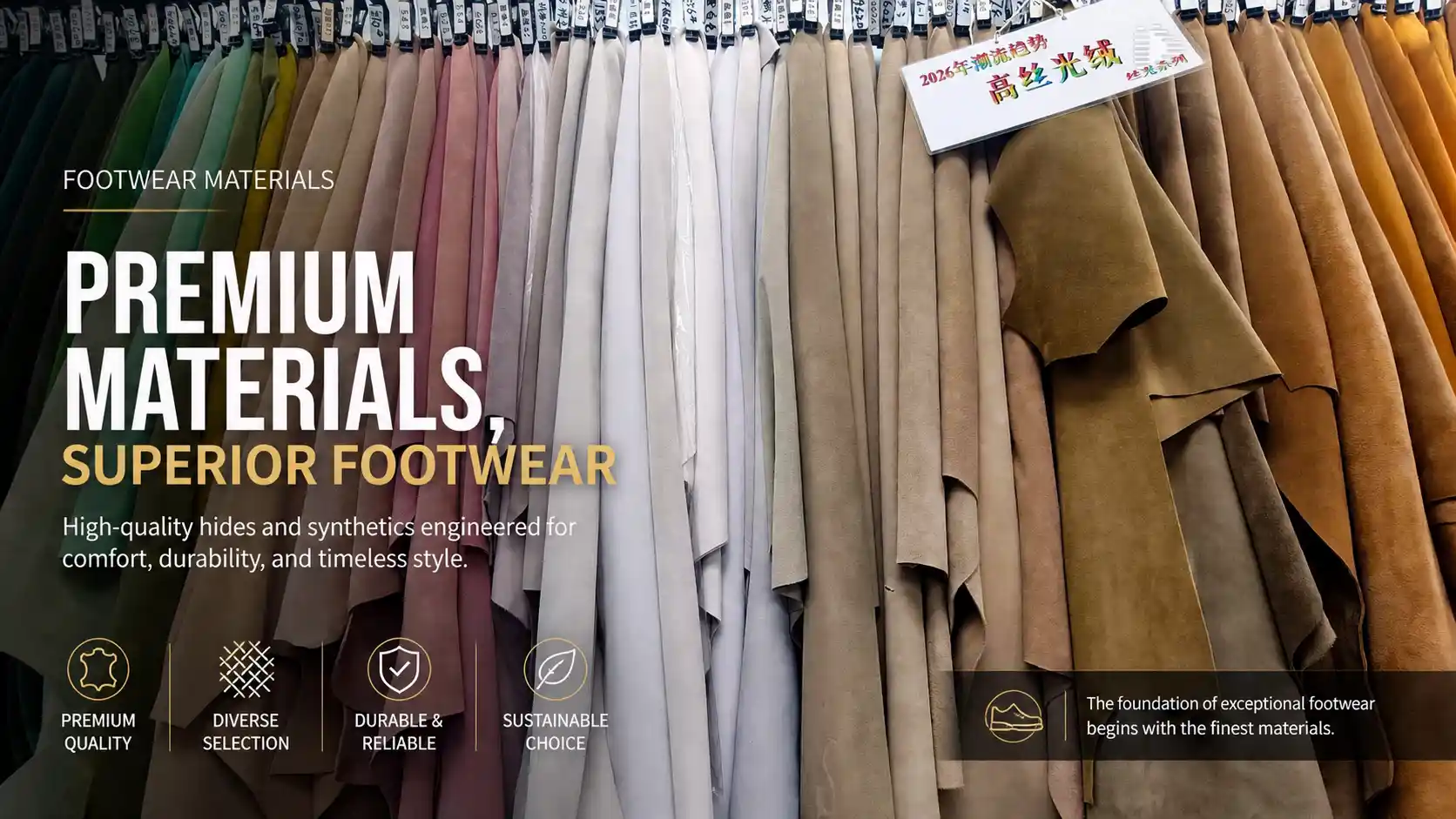
Materials strongly affect the appearance, comfort, durability and cost of casual footwear.
Common upper materials include:
- Genuine leather
- Suede
- Nubuck
- Canvas
- Textile
- Microfiber
- Synthetic leather
- Mesh
- Mixed-material combinations
When evaluating a Casual Shoes Manufacturer, ask how the factory manages material selection and consistency.
For leather casual shoes, important points include:
- Leather type
- Leather thickness
- Grain and surface appearance
- Color consistency
- Softness
- Stretching behavior
- Scratch resistance
- Matching between different production batches
For casual sneakers and textile footwear, you should also confirm the material weight, breathability, flexibility, color fastness and cleaning requirements.
A low price may result from using a different material from the one shown in the sample. Therefore, the final material specifications should be confirmed in writing before bulk production.
Pay Attention to Shoe Construction
The construction method affects comfort, appearance, durability and production cost.
Common construction methods for casual shoes include:
- Cemented construction
- Vulcanized construction
- Injection construction
- Stitching and bonding combinations
- Other product-specific constructions
The right construction depends on the shoe design and target market.
For example, a lightweight everyday casual sneaker may require a flexible outsole and a comfortable upper. A premium leather casual shoe may require more attention to leather shaping, lining, lasting and finishing.
A professional Casual Shoes Factory should be able to explain:
- Why a certain construction is suitable
- How the upper connects to the sole
- Which materials work best together
- What may affect flexibility and durability
- How the construction influences production cost
- Whether the construction is suitable for your target retail price
Do not choose a construction only because it looks attractive in a product photo. The construction must also support the intended use of the shoe.
Evaluate the Sample Before Placing a Bulk Order
The sample is one of the most important stages in footwear sourcing.
A good sample allows you to evaluate:
- Overall appearance
- Shoe shape
- Fit and sizing
- Material quality
- Color
- Stitching
- Logo placement
- Sole attachment
- Comfort
- Finishing
- Packaging details
When reviewing a sample from a Casual Shoes Manufacturer, compare it with your original requirements. Do not approve a sample only because it looks good in a photograph.
You should also record any changes clearly. These may include:
- Adjusting the shoe last
- Changing the leather or textile
- Modifying the outsole
- Changing the lining
- Moving the logo
- Adjusting stitching
- Changing the color
- Improving the fitting
- Updating the packaging
The approved sample should become the reference for bulk production. If the factory and buyer are working from different sample versions, quality problems are more likely to occur.
Ask About MOQ and Production Planning
MOQ means Minimum Order Quantity. It is the minimum quantity a manufacturer accepts for a specific production order.
MOQ may depend on:
- Shoe style
- Material
- Color
- Size range
- Outsole requirements
- Logo method
- Packaging
- Special components
- Production planning
For example, a factory may accept a different quantity for a standard casual shoe than for a fully customized shoe with a new outsole and special materials.
When contacting a Casual Shoes Manufacturer, ask:
- Is the MOQ calculated per style?
- Is it calculated per color?
- Can different sizes be mixed?
- Can different colors be combined?
- Is there a separate MOQ for custom materials?
- Is there a separate MOQ for custom packaging?
- What happens if the first order is small?
Avoid comparing MOQ numbers without checking the conditions behind them. A lower MOQ may come with limited customization, higher unit cost or fewer material options.
Check the Manufacturer’s Quality Control Process
Quality control should not begin only after the shoes are finished.
A reliable Casual Shoes Manufacturer should pay attention to quality during different production stages.
Important checkpoints may include:
Material Inspection
Materials should be checked before production. This helps reduce problems related to color, thickness, surface defects and material consistency.
Cutting and Stitching Inspection
Cutting accuracy and stitching quality affect the appearance and structure of the upper. Uneven stitching, poor alignment or incorrect cutting can create problems during lasting.
Lasting and Sole Attachment Inspection
The shoe should maintain the correct shape. The upper and outsole should be properly aligned and securely attached.
Finishing Inspection
Finished shoes should be checked for glue marks, scratches, wrinkles, uneven coloring, loose threads and other visible defects.
Final Inspection
Before packing, the finished shoes should be checked against the approved sample and order specifications.
Ask the factory whether it can provide inspection records, product photos or other quality information when required. Clear quality standards are more useful than general promises such as “high quality”.
Review Communication Before You Place an Order
Communication problems can create serious production risks.
A reliable manufacturer should answer questions clearly and explain what information is needed before quoting or sampling.
Pay attention to whether the factory:
- Understands your product requirements
- Answers technical questions
- Explains material differences
- Confirms sample changes
- Provides clear quotations
- Explains MOQ conditions
- Communicates production updates
- Reports problems early
- Keeps records of approved details
A factory that responds quickly but gives unclear answers may create more problems later. Good communication should be accurate, consistent and easy to follow.
For international B2B buyers, communication is especially important because product details, approvals and production updates often need to be handled remotely.
Confirm Branding and Private Label Support
If you are building your own footwear brand, check whether the manufacturer supports Private Label Casual Shoes.
Private label customization may include:
- Logo placement
- Embossed or printed logos
- Custom labels
- Insole branding
- Outsole branding
- Shoe tongues
- Hangtags
- Shoe boxes
- Tissue paper
- Packaging stickers
- Product labels
You should confirm which branding methods are available and whether they require additional tooling, setup fees or minimum quantities.
Also clarify who is responsible for providing logo files, packaging artwork and final approval. These details should be confirmed before production begins.
Compare Casual Shoes Manufacturers by Total Value
Price is important, but it should not be the only factor.
When comparing a Casual Shoes Manufacturer, consider the total value of the project:
- Product quality
- Material consistency
- Sample accuracy
- Development support
- MOQ flexibility
- Production capacity
- Communication
- Packaging service
- Quality control
- Delivery planning
- After-sales support
A factory with a slightly higher unit price may provide better materials, stronger quality control and fewer production problems. This can reduce the real cost of rejected goods, delayed delivery and customer complaints.
The best supplier is not always the cheapest supplier. It is the manufacturer that can meet your product requirements and support your business over time.
Questions to Ask a Casual Shoes Manufacturer
Before moving forward, prepare a clear list of questions.
You can ask:
- What casual shoe styles do you manufacture?
- Do you provide OEM and ODM services?
- Can you develop custom casual shoes from a drawing or sample?
- What materials can you provide?
- What is your MOQ per style and color?
- What is the sample development process?
- How do you control material consistency?
- What quality inspections are performed?
- Can you customize logos and packaging?
- What information do you need for a quotation?
- Can you support repeat production?
- What are the expected production and delivery conditions?
The more complete your questions are, the easier it will be for the factory to provide a useful answer.
Prepare a Clear RFQ Before Contacting the Factory
A clear RFQ helps the manufacturer understand your project and reduces unnecessary back-and-forth communication.
Your request should include:
- Product type
- Reference images or samples
- Target market
- Upper material
- Outsole direction
- Color requirements
- Size range
- Estimated quantity
- Logo requirements
- Packaging requirements
- Target delivery date
- Quality expectations
- Special product details
If you do not have a complete design, you can still send reference images and explain your target customer, price range and preferred style.
A professional Casual Shoes Manufacturer can then help you identify missing information and suggest suitable materials or construction options.
Why Topmenz for Custom Casual Shoes?
Topmenz is a professional footwear manufacturer providing customized men’s footwear for international B2B customers.
Our product experience includes casual shoes, leather shoes, loafers, formal shoes, Goodyear footwear, sneakers, boots and other men’s footwear categories.
We support buyers with:
- Custom product development
- OEM and ODM manufacturing
- Material selection
- Sample development
- Private label branding
- Production coordination
- Quality control
- Export support
With more than 20 years of footwear experience, Topmenz works with brands, wholesalers, distributors, retailers and other footwear businesses looking for a reliable manufacturing partner.
If you are looking for a Casual Shoes Manufacturer in China, you can send us your design, reference sample or product requirements. Our team can help you evaluate the suitable production solution for your project.
Final Checklist Before Choosing a Casual Shoes Manufacturer
Before placing an order, make sure you have confirmed:
- The factory has relevant casual footwear experience.
- The manufacturer can support your required OEM, ODM or private label model.
- Materials are clearly specified.
- Construction details are confirmed.
- The sample has been reviewed and approved.
- MOQ conditions are clear.
- Branding and packaging requirements are confirmed.
- Quality control standards are understood.
- Production timing is realistic.
- Communication is clear.
- Bulk production will follow the approved sample.
Choosing a reliable Casual Shoes Manufacturer requires more than comparing catalogues and prices. The right partner should understand your product, communicate clearly, control quality and support your business from sampling to repeat production.
For custom casual footwear projects, a clear product brief and a careful supplier evaluation process are the best starting points.