Last Updated on 2026-10-27 by Tina
Driving shoes are known for their flexible feel, clean design and distinctive rubber pebble soles. They combine casual style with a design originally developed for driving.
For footwear brands, driving shoes offer more than another casual shoe option. With the right upper materials, sole design and colour choices, they can become a useful product for building a distinctive men’s footwear collection.
For brands, importers and wholesalers, understanding the value of the pebble sole is an important step when developing custom driving shoes.
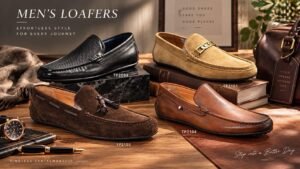
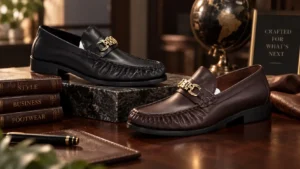
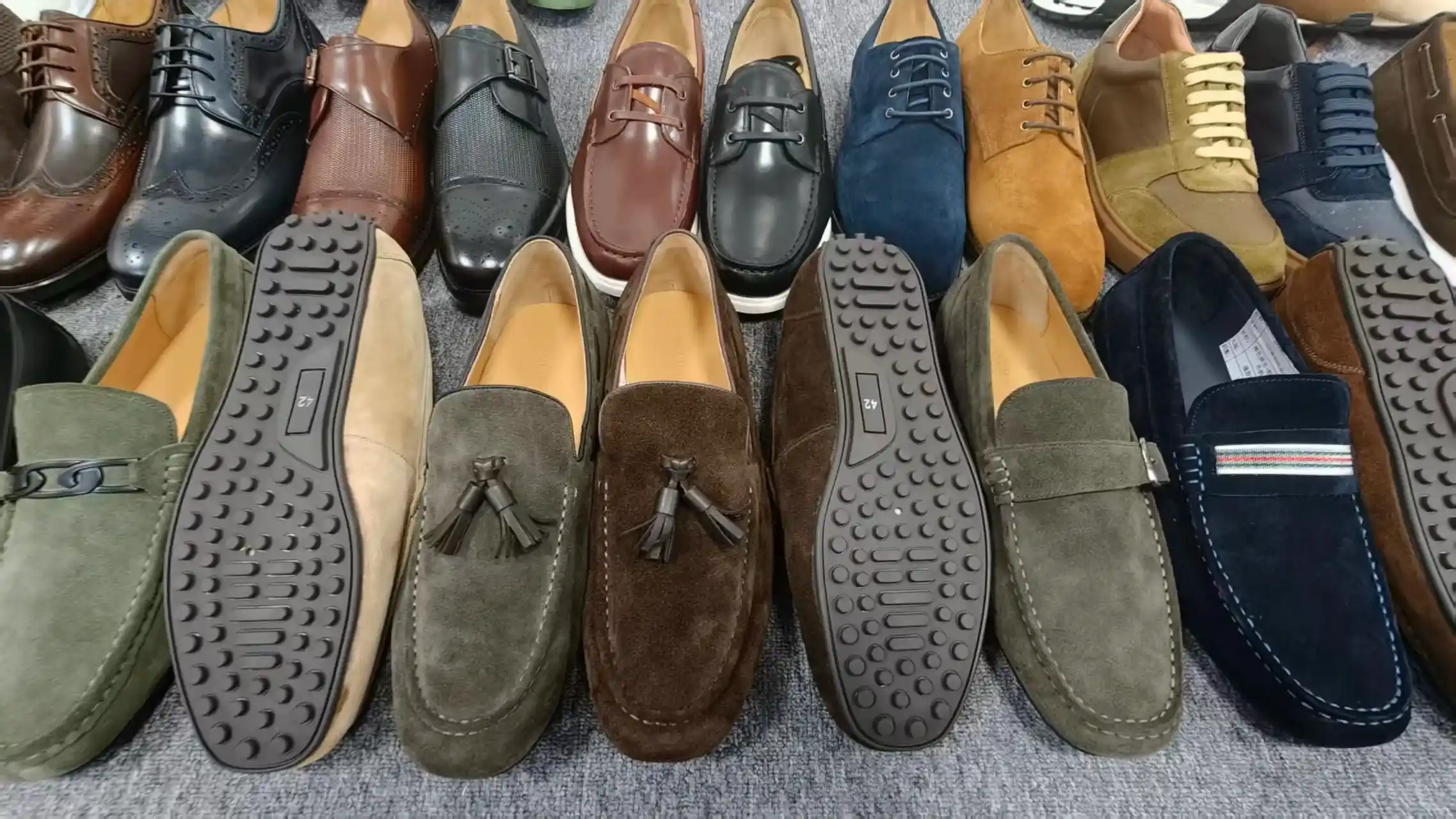
The following pictures are all custom-made driving shoes designed based on bulk European buyers. Any design and materials will be communicated between both parties, and the samples will be prepared and sent out within about 10 days.
What Are Driving Shoes?
Driving shoes are usually low-cut shoes with a soft upper and a flexible sole. Many traditional styles feature small rubber pebbles, also called rubber nubs, across the outsole.
These raised rubber elements are a defining feature of classic driving shoes. Some designs also extend the rubber pebbles around the heel.
The construction helps create a flexible feel and contact with the pedals. It also gives the shoe a recognisable appearance that separates it from ordinary loafers and casual leather shoes.
For footwear brands, the pebble sole is not just a functional detail. It is also part of the product’s identity.
Why Does a Pebble Sole Matter?
The sole plays an important role in the look, feel and positioning of a driving shoe.
1. Grip-focused design
The raised rubber pebbles create multiple contact points between the sole and the surface. This design is associated with the traditional driving shoe and can help provide traction.
However, actual slip resistance depends on the rubber compound, pebble design and testing conditions. Brands should verify performance through suitable tests before making specific safety claims.
2. Flexible feel
Driving shoes are generally designed to bend more easily than many conventional hard-soled dress shoes.
A flexible rubber pebble sole can support the lightweight, relaxed character customers expect from this style.
3. Distinctive appearance
A pebble sole gives driving shoes an instantly recognisable detail. It can make a simple leather or suede upper look more specialised.
For brands, this creates another way to differentiate a product without relying only on logos or decorative hardware.
4. Wear considerations
Rubber is commonly used for driving shoe soles because it offers flexibility and can provide useful resistance to everyday wear.
However, a pebble sole is not automatically more durable than every other rubber sole. Rubber formulation, pebble thickness, bonding quality and actual use all affect its service life.
For a new collection, buyers should request samples and assess the sole’s performance before confirming production.
How Can Driving Shoes Benefit Your Footwear Business?
1. Add a Distinctive Casual Shoe Category
A footwear collection can easily become crowded with standard loafers, lace-up shoes and basic sneakers.
Driving shoes provide another product direction. Their combination of a relaxed upper and pebble sole creates a recognisable style that can complement an existing men’s leather shoe collection.
For retailers and wholesalers, this offers another option for customers looking for casual shoes with a more refined appearance.
2. Create More Premium Product Options
Material selection has a strong influence on the final appearance of driving shoes.
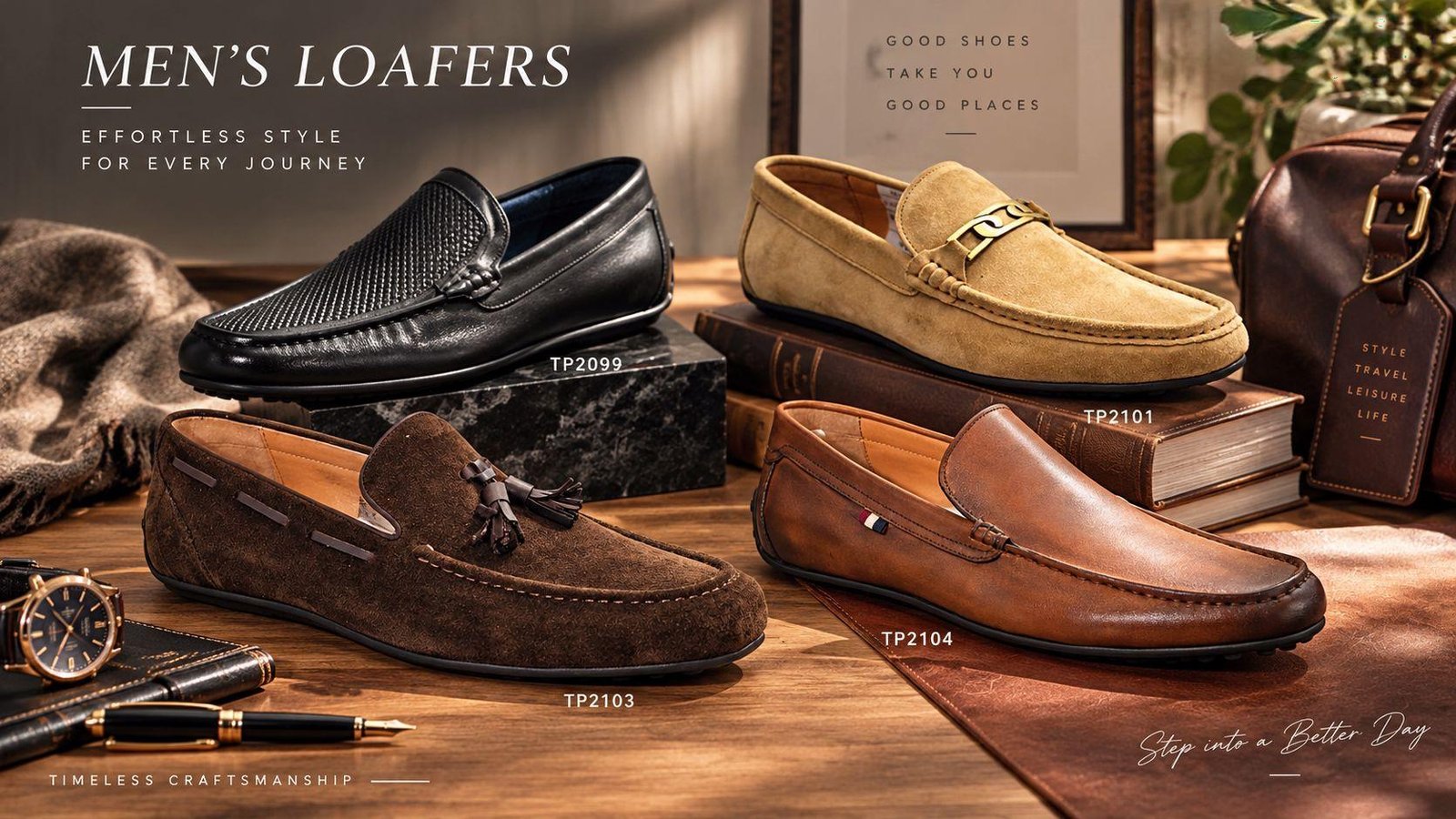
Suede can create a soft, relaxed look. Smooth leather can support a cleaner and more refined style. Two-tone combinations, contrast stitching and selected hardware can add further character.
Brands can use these options to develop different price and design levels within one product category.
A premium position should be supported by material quality, finishing, fit and consistent production—not appearance alone.
3. Develop a More Distinctive Private Label Collection
For private label brands, a standard shoe design may be easy for competitors to imitate.
Custom development offers more opportunities to create a recognisable product. Buyers can explore different upper materials, colours, pebble sole colours, lining options, insoles, logos and packaging.
The goal is not to change every detail. A consistent design direction can be more effective than adding too many decorative features.
Working with an experienced custom footwear manufacturer can help brands turn their product ideas into samples for evaluation.
4. Expand Colour and Seasonal Options
Driving shoes work well with a variety of colours.
Navy, brown, tan, grey and black are useful starting points for a classic collection. Seasonal colours or contrasting details can provide additional options for brands targeting different customer groups.
Instead of developing a completely new shoe for every season, brands may be able to explore variations based on an established design and suitable existing components.
The available options will depend on the manufacturer’s materials, sole choices and production capabilities.
What Should B2B Buyers Check Before Ordering Driving Shoes?
A good-looking sample is only the beginning. Before placing an order, buyers should evaluate several important details.
| What to check | Why it matters |
|---|---|
| Upper material | Influences appearance, flexibility and product positioning |
| Rubber compound | Affects flexibility, grip and wear characteristics |
| Pebble design | Influences appearance, contact and sole construction |
| Sole attachment | Helps assess bonding quality and production consistency |
| Fit and sizing | Supports a consistent customer experience |
| Colour consistency | Matters when producing multiple pairs or repeat orders |
| Customisation options | Determines how the product can fit your brand |
| Sample and production process | Helps buyers review the design before bulk manufacturing |
For buyers who need dependable quality, ask the manufacturer how materials and finished products are checked. A clear shoe quality control process helps buyers understand what happens before goods are shipped.
It is also important to distinguish everyday traction from certified slip resistance. If a specific performance claim is required for your market, agree on the relevant test method and acceptance criteria before production.
How Can You Develop Custom Driving Shoes?
A practical development process can start with four steps.
Step 1: Define your target customer.
Decide whether your collection is aimed at premium casualwear, classic leather footwear, travel-related lifestyles or a broader men’s shoe market.
Step 2: Select the upper and sole.
Choose suitable leather or suede, then confirm the pebble sole’s material, colour, shape and construction.
Step 3: Develop and review the sample.
Check the appearance, fit, flexibility, finishing and sole attachment. Arrange relevant performance tests when required.
Step 4: Confirm branding and production details.
Finalise your logo, colour specifications, packaging, size range and quality requirements before moving into bulk production.
You can learn more about the shoe manufacturing process to understand how product development connects with manufacturing.
How Topmenz Supports Custom Footwear Development
At Topmenz Shoes, our focus is on B2B footwear manufacturing and helping business customers develop products for their own markets.
For brands interested in driving shoes, the development discussion can cover the upper design, materials, colour combinations, sole options, branding and other product requirements.
OEM, ODM and private label projects should begin with a clear product brief. Reference photos, target materials, expected order quantities and market requirements help establish the next steps.
The final specifications, available customisation options, minimum order quantity and lead time should be confirmed for each project.
FAQ: Driving Shoes and Pebble Soles
Are pebble sole driving shoes suitable for everyday wear?
They may be suitable for casual use, depending on their construction and intended design. Buyers should assess sole thickness, comfort, support and wear performance. Traditional driving soles are not necessarily designed for extensive walking.
Do rubber pebble soles provide better grip?
The pebble design creates multiple contact points, but grip depends on the rubber compound, surface and test conditions. Request performance evidence if slip resistance is an important selling claim.
Can brands customise driving shoes?
Customisation may include upper materials, colours, stitching, lining, logos, packaging and selected sole details. Options depend on the manufacturer’s capabilities and project requirements.
How do I choose a driving shoes manufacturer?
Review product samples, material options, sole construction, quality control, communication and the manufacturer’s ability to meet your requirements. Confirm MOQ, sampling costs and lead time before placing an order.
Can driving shoes be developed for a private label brand?
Yes. Private label projects can combine an agreed shoe design with brand-specific materials, colours, logos and packaging. Sample approval should come before bulk production.
Develop Your Next Driving Shoe Collection
Driving shoes offer brands a useful combination of casual styling, flexible construction and a distinctive pebble sole.
With thoughtful material selection and controlled product development, this category can support a broader men’s footwear collection and create more options for private label differentiation.
Looking for a manufacturing partner for your next project?
Contact Topmenz to discuss your custom driving shoes project.