Last Updated on 2026-11-19 by Tina
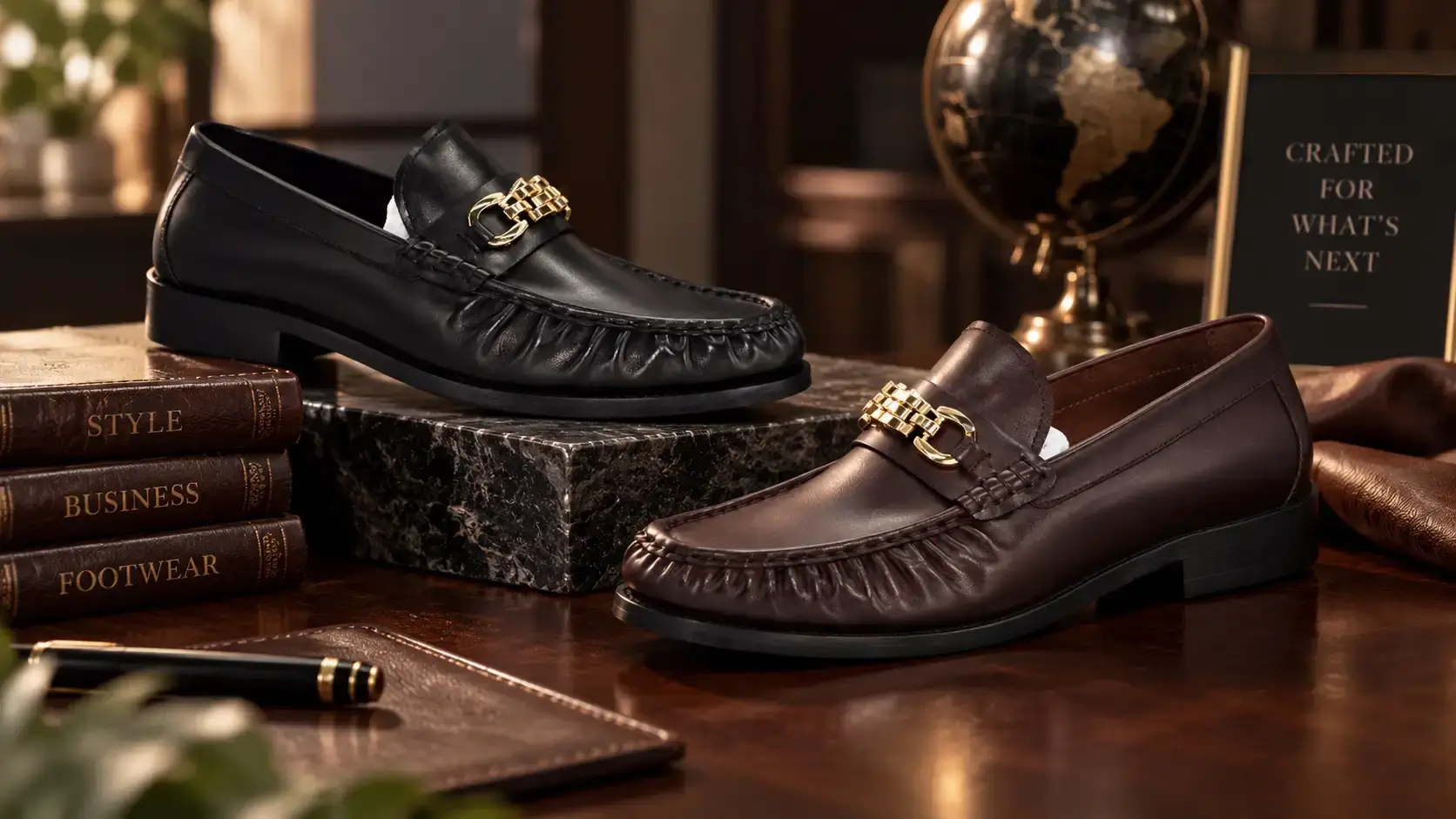
Peche loafers have attracted attention for their clean silhouette, modern proportions and everyday comfort. But what makes this loafer style different, and why are more footwear brands paying attention to it?
The appeal goes beyond one popular design. It reflects a wider demand for versatile loafers that combine easy styling, comfortable construction and distinctive details.
For footwear brands, this trend offers useful ideas for developing a modern loafer collection. In this guide, we look at the design features, materials and comfort factors behind Peche loafers — and what buyers should consider when developing their own versions.
But there is a more interesting question for footwear brands:
Why does this type of loafer attract attention in the first place?
The answer is not simply the brand name.
The design combines several details that today’s customers increasingly look for: a clean shape, easy styling, comfort, and a price position that feels more accessible than traditional luxury footwear.
For B2B footwear buyers, these details are worth studying.
Why Are Peche Loafers Getting Attention?
One reason is the balance between appearance and everyday wear.
Traditional dress shoes often focus heavily on formal appearance. Sneakers usually focus on comfort. Modern loafers try to sit between the two.
That makes them useful for everyday city wear, work, travel, and smart-casual outfits.
Recent fashion coverage has highlighted the comfort of Pêche loafers, including reports of people wearing the Hugh loafer for long walks.
This tells us something important about modern footwear buyers:
They do not always want to choose between style and comfort.
They want both.
The Design Is Simple — But Not Basic
At first glance, many Peche loafers look simple.
That simplicity is actually part of the design strategy.
The upper does not need excessive decoration. Instead, the shoe relies on:
- Clean lines
- Strong toe shapes
- Balanced proportions
- Minimal branding
- Wearable colours
- Easy slip-on construction
Pêche’s current loafer collection includes designs such as Hugh, Ronan, Miro, Theo, Dune and others, showing how small changes in toe shape, details and materials can create different product identities.
For a footwear brand, this is an important lesson.
A product does not always need more decoration.
Sometimes, better proportions create a stronger product.
Comfort Is Part of the Product Design
The popularity of Peche loafers also highlights a bigger trend in the loafer market.
Customers increasingly expect loafers to be wearable for longer periods.
That means comfort should be considered during development, not added at the end.
For manufacturers, several factors matter:
Last shape:
The last controls the basic shape and fit of the shoe.
Upper material:
Soft and suitable leather can improve flexibility and comfort.
Lining:
The lining affects how the shoe feels against the foot.
Insole:
A suitable insole can improve cushioning and daily wear.
Outsole:
The sole affects flexibility, weight and walking comfort.
These details work together.
A soft upper alone does not guarantee a comfortable loafer.
Material Choice Can Change the Whole Product
Leather is one of the most important decisions when developing modern loafers.
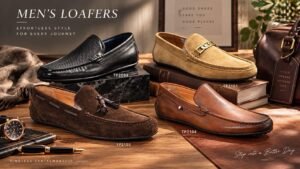
A smooth leather loafer can look clean and premium.
Suede can create a softer and more relaxed appearance.
Matte leather can give a more understated look.
Glossy or polished leather can move the product toward a dressier market.
Peche’s current collection includes leather and matte leather versions, showing how material changes can create different visual positions within a similar loafer concept.
For B2B buyers, this means one successful design can potentially become several products.
The same basic last can be developed with different:
- Leathers
- Colours
- Sole designs
- Toe shapes
- Finishes
- Hardware details
This can help a brand build a wider collection without completely redesigning every product.
What Can Footwear Brands Learn From Peche Loafers?
The biggest lesson is not to copy a specific shoe.
It is to understand why the product works.
For a modern loafer collection, buyers should consider three questions.
1. Is the Design Easy to Wear?
A product with a simple silhouette can work across more outfits and occasions.
2. Is It Comfortable Enough for Daily Use?
A fashionable shoe that customers cannot wear for several hours has limited repeat-purchase potential.
3. Does It Have One Clear Design Feature?
A square toe, special leather finish, unique sole or small upper detail may be enough to make a product recognisable.
This is especially useful for private label brands.
You do not need to copy an existing product.
You can take the general market direction and develop your own version.
Custom Loafers for Private Label Brands
If your brand is looking to develop custom loafers, the development process should start with the target customer.
For example:
A minimalist women’s brand may prefer a soft leather loafer with a clean square toe.
A premium business brand may prefer a sharper shape and more formal leather.
A fashion brand may use a thicker outsole, stronger proportions or a special leather finish.
The same category can serve very different markets.
This is where working with an experienced custom footwear manufacturer becomes useful.
Topmenz supports product development, OEM, ODM and private label footwear production for international B2B customers. You can also review our shoe manufacturing process to understand how design ideas move toward production.
What Should Buyers Check Before Production?
Before placing a bulk order for loafers, check more than the sample appearance.
Ask about:
Material: What leather is being used?
Last: Does the shape match the target market?
Fit: Is the shoe comfortable for extended wear?
Construction: Is the construction suitable for the target price?
Sole: Is it flexible enough for everyday use?
Finishing: Is the colour and surface consistent?
Branding: Can the factory handle logos, insoles and packaging?
Quality control: How are production defects identified?
A reliable quality control process is especially important when producing simple shoes.
Why?
Because simple designs leave fewer places to hide mistakes.
Uneven stitching, poor edge finishing, leather marks or shape differences can be immediately visible.
Peche Loafers vs. Developing Your Own Product
Peche is useful as a market reference, but brands should avoid simply reproducing another company’s product.
Instead, look at the larger design direction:
Minimalist silhouette + comfort + wearable materials + modern proportions.
Then build your own product around your customer.
This creates a stronger long-term product strategy.
Your brand can control the leather, colours, outsole, branding, packaging and final price position.
That is the difference between simply buying a loafer and developing a loafer collection.
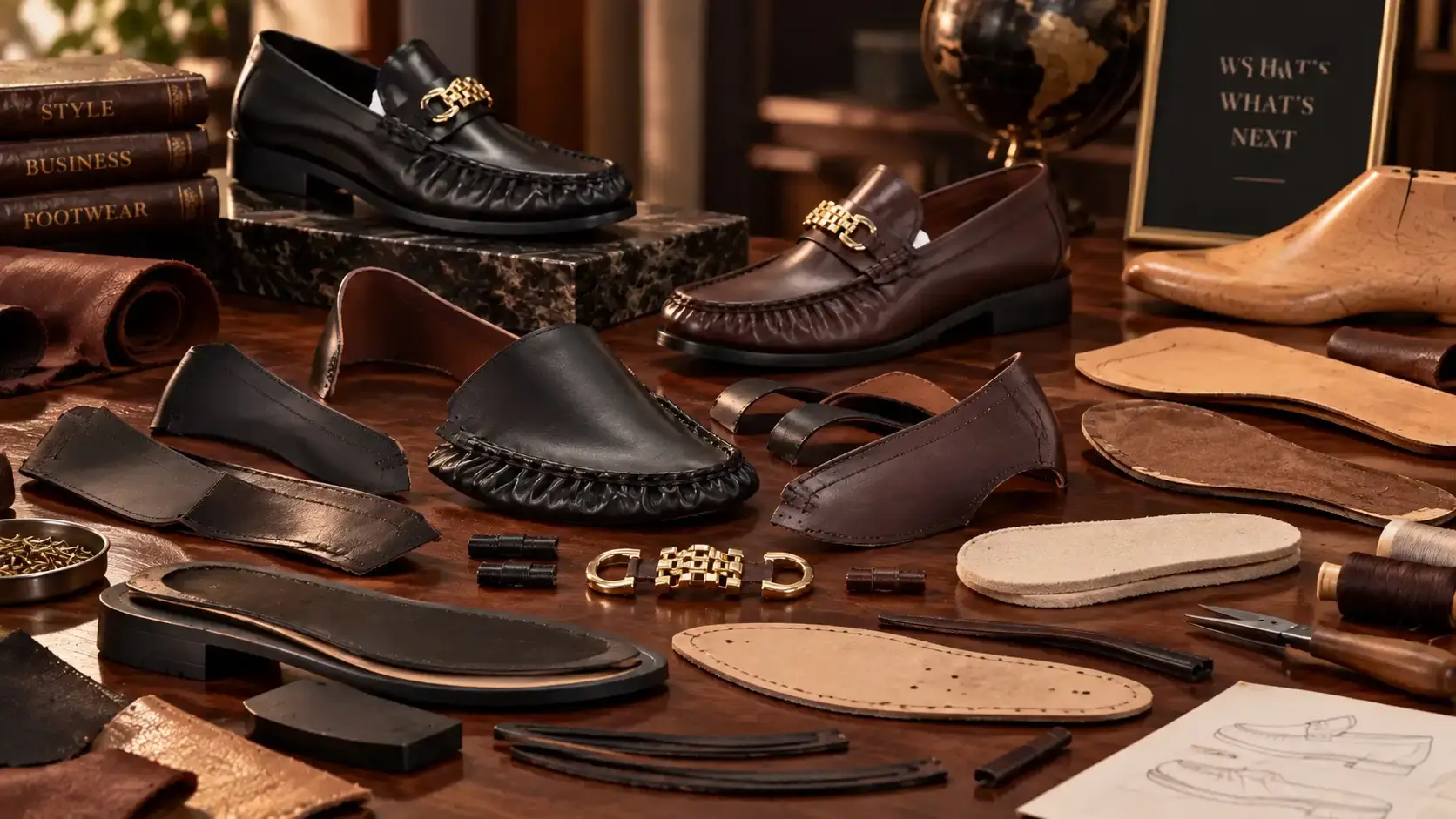
How Are Custom Peche-Inspired Loafers Developed?
Design Reference:
Analyze the outline, toe ratio and details of the target style based on samples or technical drawings.
Last Development:
Select or adjust shoe lasts based on the target market and the foot shape requirements of customers.
Material Selection: Select the appropriate top-grain leather, full-grain leather, matte leather, satin leather or other specified materials.
Sample Making:
Make samples and inspect their appearance, wearing feel and structure.
Fit and Construction Review: Check the upper fit, lining, insole, sole and overall comfort of the shoes.
Bulk Production QC:
Check the material, color, stitching, molding and consistency of the left and right feet.
FAQ
Why are Peche loafers popular?
Their popularity is connected to a combination of simple styling, modern proportions and reported comfort. Recent fashion coverage has helped bring additional attention to the brand.
Are Peche loafers suitable for everyday wear?
Many of the current styles are positioned as everyday fashion loafers, and media coverage has highlighted their comfort for walking and daily use.
What makes a good modern loafer?
A good modern loafer needs a balanced last, suitable materials, comfortable construction and a design that works with different outfits.
Can I develop similar loafers for my own brand?
Yes. A footwear manufacturer can develop a loafer based on your own design direction, reference sample or specifications. The final product should be independently developed for your brand.
What should I check when sourcing custom loafers?
Focus on the leather, last, fit, sole, construction, finishing, branding options and quality control before placing a bulk order.Therefore, you can directly send us samples for reference or a product picture, and we can give you an accurate reply according to your ideas.
Develop Your Own Loafer Collection with Topmenz
Looking to develop a phche loafers collection for your brand?
Topmenz supports custom footwear development, OEM, ODM and private label production for international B2B buyers.
From material selection and sample development to production quality control, we help turn your product ideas into finished footwear.
Discuss Your Custom Loafer Project