Last Updated on 2025-09-06 by Tina
Select Leather Care: The Ultimate Identification Theory - a holistic guide from identification to care
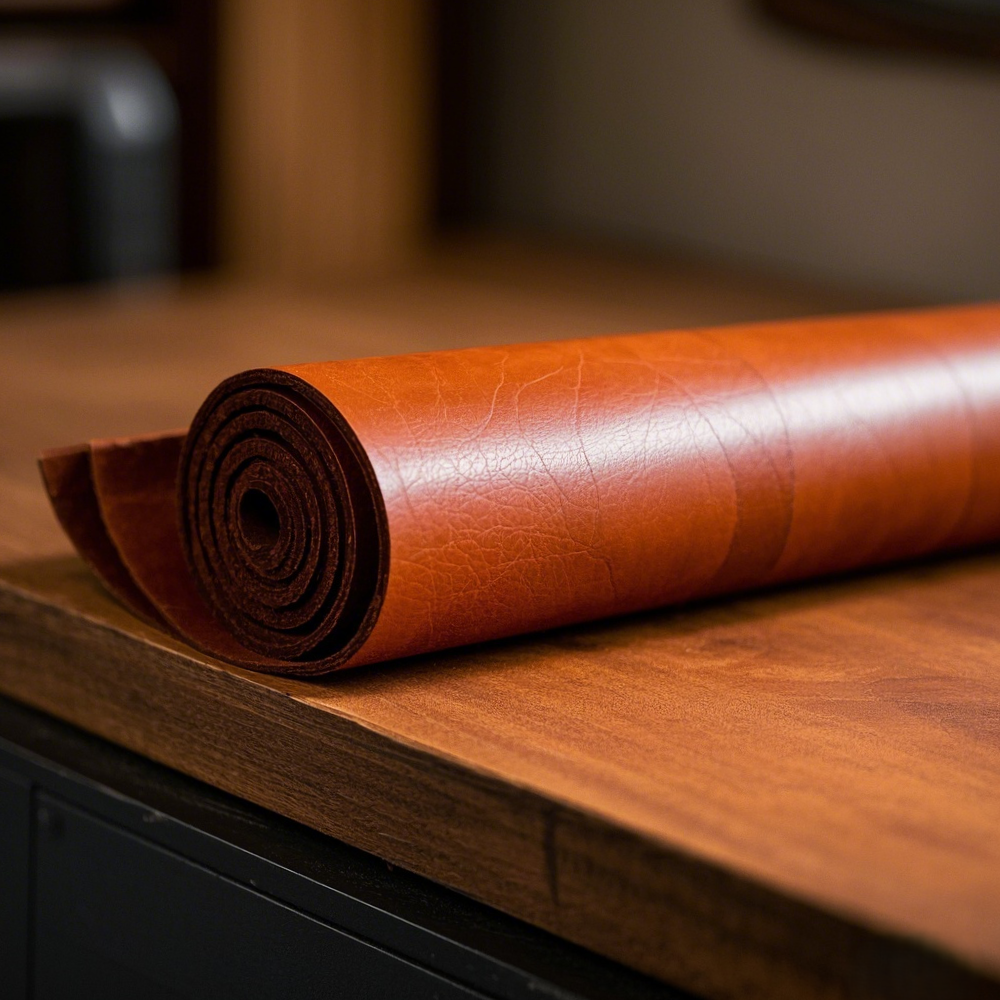
In the modern life where fashion and practicality coexist, leather products with their unique texture and durability have become a classic choice in the fields of clothing, bags, furniture and so on. However, in the face of endless “leather” products on the top of the market, how to accurately identify genuine leather? How to develop a scientific care plan according to different leather characteristics? This article will focus on the “leather identification” and “care theory” in-depth analysis, to help you become a leather maintenance expert.
Understanding leather types: The first step in identifying care
Dermal vs synthetic leather: Essential differences determine the logic of care
The core classification of leather is the basis of care. Dermis is derived from animal skin (such as cowhide, sheepskin, crocodile skin, etc.), with natural fiber structure, breathability, flexibility and unique texture; Synthetic leather (such as PU, PVC) is a chemical synthetic material, through the coating process to simulate the appearance of leather, although the cost is low but poor permeability, long-term use is easy to crack.
Identify key:
When the dermis burns, it gives off the smell of burnt hair and becomes powder after burning. When the synthetic skin burns, it emits black smoke, pungent odor, and the residue is caked.
Subdivision of dermal species: Screening from raw skin to processing process
Even if it is the same leather, different processing processes will form significantly different categories, such as:
Top layer: the outermost layer of cowhide, with clear texture and strong toughness, is the first choice for high-end leather products (such as luxury bags);
Two layer skin: the subcutaneous square fiber layer of the head layer, the appearance is close to that of the head layer after film treatment, and the durability is slightly weak;
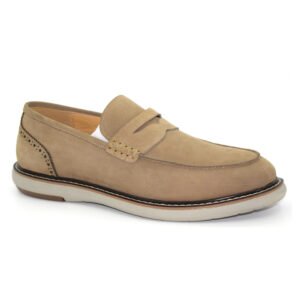
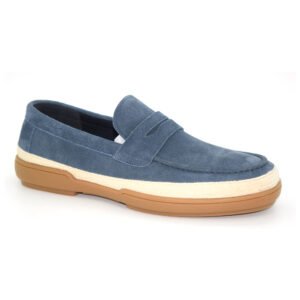
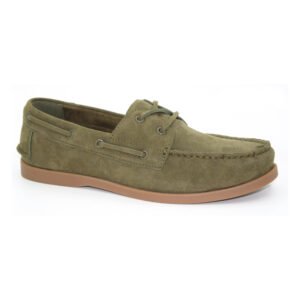
Suede (turned fur) : the reverse side of the leather is polished, the texture is soft but easy to blot, and special tools are required for care;
Oil wax skin: After oil wax process treatment, the surface has a natural luster, scratches can be repaired by wiping, suitable for retro style.
Observing leather details: a code of recognition from texture to pore
Texture and pores: The “identity card” of natural leather
Take the leather sample and place it in a well-lit place for observation:
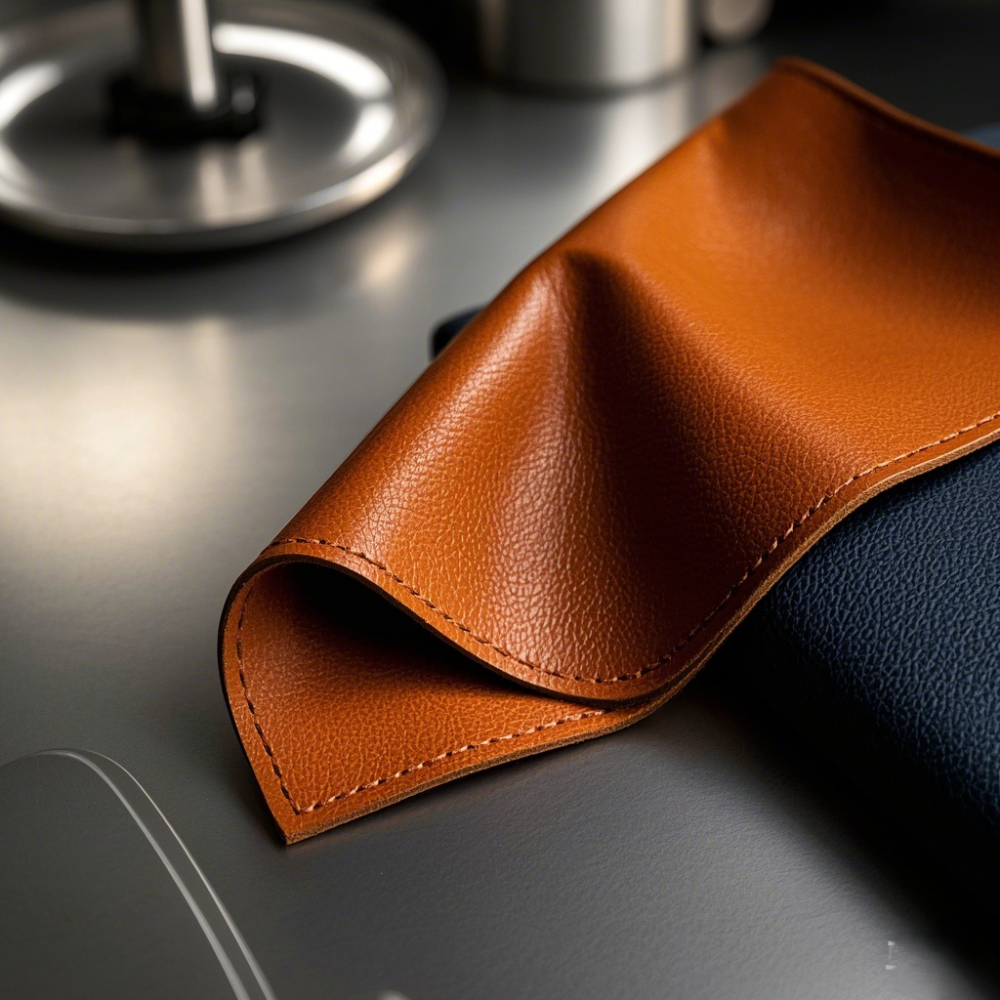
Natural dermis: irregular texture, natural pore distribution (such as cowhide pores are fine and dense, irregular dots; The pores of sheepskin are arranged in a granular manner);
Imitation leather products: the texture is uniform and rigid, the pores are mostly regular holes of mechanical compression, and the lack of natural changes.
Odor and water absorption: auxiliary validation techniques
Close to the smell, the dermis emits a light smell of animal skin, no irritation; Synthetic leather often has a plastic smell of chemical raw materials. In addition, the leather has a certain water absorption, the water droplets will slowly penetrate the surface, while the water droplets on the surface of the synthetic leather will roll off in a bead shape.
Master the core of care: exclusive care solutions for different leathers
Daily cleaning: Gentle is the first rule
Smooth leather: Use a soft dry cloth to remove dust, stubborn stains can be dipped in diluted neutral soapy water (pH 5-7) gently wipe, immediately wipe with water and wipe dry;
Suede: Use a soft brush to comb along the direction of the pile, and remove the stain with a special eraser to avoid water;
Oil wax skin: Use cotton cloth to dip a small amount of special wax oil in circles for maintenance, and wipe the scratch repeatedly to fade the mark.
Avoid nursing mistakes: Don't make these mistakes again
1.Blind use of “all-purpose cleaner”
Many household alkaline cleaners (such as laundry detergent and dish soap) can disrupt the oil balance of the leather and cause it to harden and crack. Be sure to choose a neutral cleaning product labeled “for leather.”
2. Excessive wiping of damaged surfaces
Especially suede and oil wax skin, repeated hard wiping will destroy the villous structure or lead to wax loss, need to use gentle handling stains.
3. Ignore leather “breathing” needs
Synthetic leather products do not require frequent maintenance, but leather needs to be regularly “breathable” – long-term sealed storage or application of excessive maintenance oil, but will accelerate aging
Conclusion: The ultimate secret to leather's longevity
From identifying the type of leather to customizing the care program, the core is “respecting the material characteristics.” Whether it is high-end leather goods or daily leather goods, mastering the three-step method of “observing the texture – judging the type – treating the problem” can effectively extend the life of the leather, so that every leather product can precipitate the texture in time, rather than being consumed by wrong care.
Action suggestion: The next time you buy leather products, you may wish to bring the “identification formula” mentioned in this article to check the quality from the source; Care according to the type of leather select special tools, so that every maintenance becomes a gentle care of the material. After all, true refinement is hidden in the attention to detail.
Any questions pls contact custom shoes expert Whatsapp +86 13392749315 and Get the latest news and updates straight to your email inbox.