Last Updated on 2026-10-07 by Tina
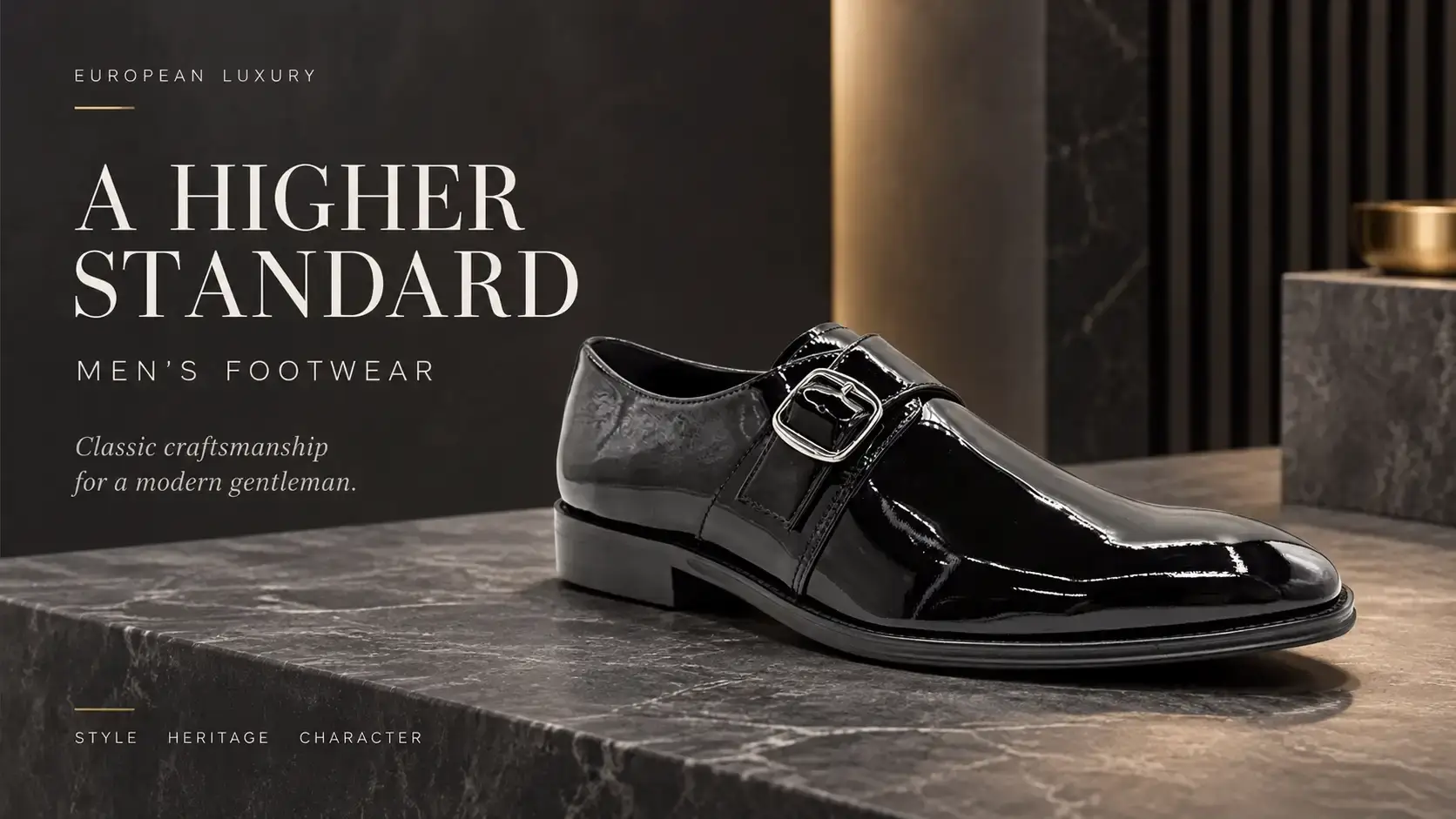
A good leather shoe does not always need a complicated design.
Sometimes, the difference comes from the colour.
Hand-painted leather shoes use layers of colour to create depth, contrast and a more individual finish. Unlike a flat, uniform colour, hand-finishing allows the artisan to build different tones across the leather. This can make the shoe look richer and more distinctive.
For footwear brands, this is more than a traditional craft.
It can also become a useful product strategy.
A well-developed hand-colored shoe can help a brand move away from standard products and create a more premium collection.Today, TOPMENZ takes you into the king’s value of shoe-making craftsmanship. You will find that this article brings a new perspective to your business!
What Is Hand-Painted Leather?
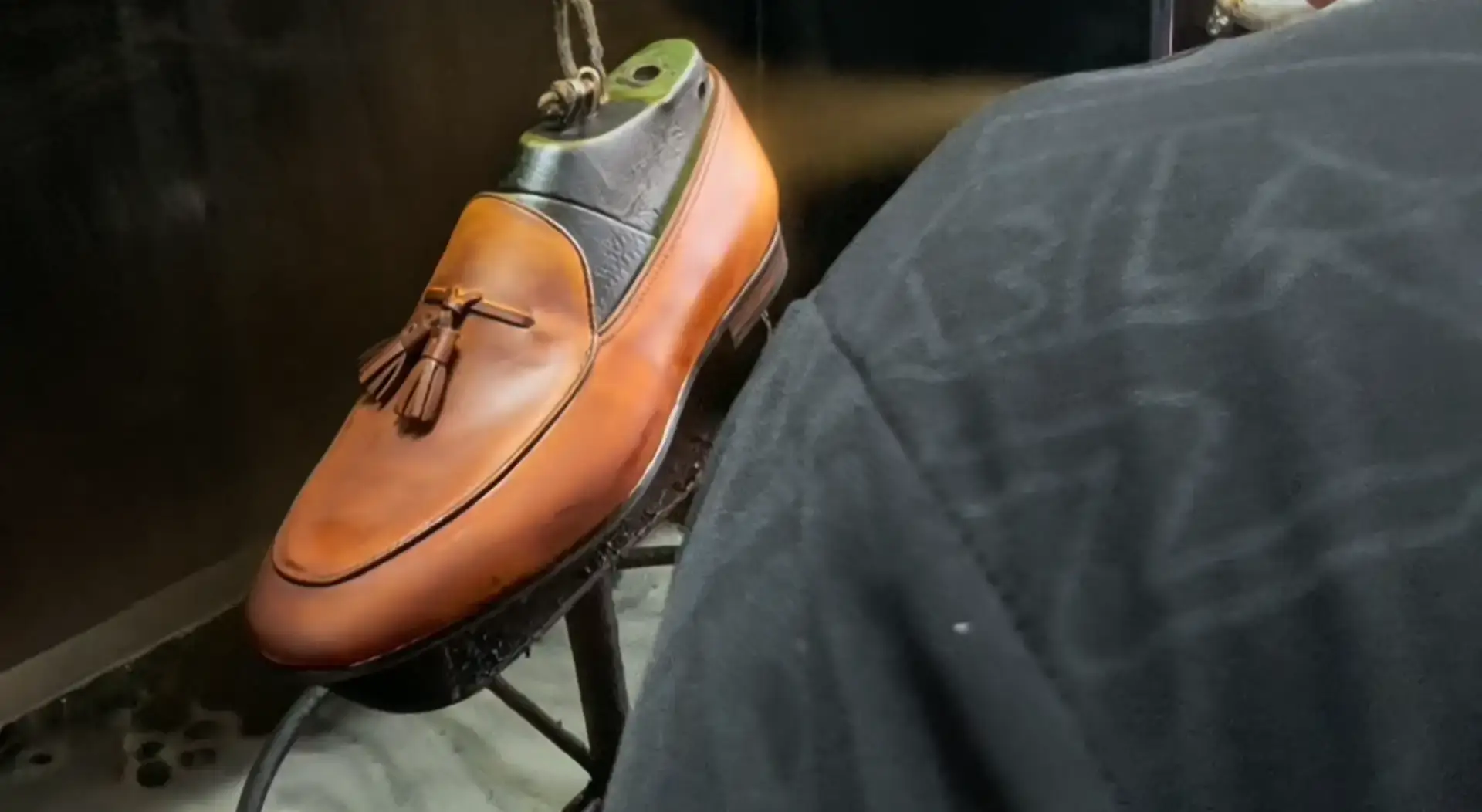
Hand-painted leather is created by applying colour manually to the leather instead of relying only on one uniform factory colour.
The artisan can build the colour gradually.
Lighter tones can be kept in some areas. Darker tones can be added around the toe, heel or other parts of the shoe.
Several layers can then be blended and polished to create more depth. Some patina techniques use repeated colouring, adjustment and polishing to achieve the final effect.
The result is a leather surface with more visual movement.
It does not look completely flat.
That is one of the reasons hand-painted finishing is often used on premium leather shoes.
Why Does Hand Coloring Make a Shoe Look More Premium?
The main difference is depth.
A standard leather shoe may have one main colour across the upper.
A hand-finished shoe can have several related tones.
For example, a brown leather shoe may use:
- Light brown
- Medium brown
- Dark brown
- Slightly darker toe
- Darker heel
- Soft colour transitions
The colours work together rather than appearing as separate blocks.
This can make a simple Oxford, Derby, Monk or loafer look much more interesting without adding complicated decoration.
In other words:
The colour becomes part of the design.
The Process: From Plain Leather to Finished Shoe
The exact process depends on the leather and the desired effect, but the basic idea is simple.
1. Choose the Right Leather
The leather must be suitable for hand finishing.
Natural and crust-type leathers are commonly used for this kind of work because they allow artisans to build colour gradually.
2. Prepare the Surface
The leather needs to be clean and properly prepared before colouring.
Any unwanted oil, dirt or surface problem can affect how the colour develops.
3. Build the First Colour
The artisan applies the first layer of colour.
This creates the base.
4. Add More Tones
Additional colours are applied gradually.
The artisan can make certain areas darker or lighter depending on the design.
5. Blend the Colours
This is one of the most important steps.
The transitions need to look natural.
A good hand-painted finish should look intentional, not like random colour variation.
6. Polish and Finish
The final polishing brings out the depth and gives the leather more visual character.
This is also where the final appearance of the shoe becomes clear.
Because the process depends on manual work, two pairs may not look perfectly identical. That natural variation is part of the character of hand-finished footwear.
Why Is This Valuable for a Footwear Brand?
This is where hand-painted leather becomes more than a manufacturing technique.
It can create commercial differentiation.
Many footwear brands sell similar basic colours:
Black.
Brown.
Dark brown.
Tan.
These colours are easy to understand, but they can also make products look similar.
Hand finishing gives a brand more room to develop its own colour identity.
For example, a brand could create:
Dark Brown Patina
A classic choice for formal shoes.
Burgundy Brown
A richer option for customers looking for something different.
Antique Tan
A lighter and more relaxed direction.
Blue or Grey Patina
A more fashion-focused product.
The same shoe design can therefore become several different products through colour development.
Hand-Painted Shoes Can Help Reduce Price Competition
This is one of the most important points for B2B buyers.
If your product looks like many other products in the market, customers may compare mainly on price.
That creates pressure on margins.
But when the product has a distinctive finish, material combination or colour story, price is no longer the only comparison.
The customer can also see:
Design + Craftsmanship + Material + Brand Story
This does not automatically mean you can charge a higher price.
However, it gives your brand a stronger reason to position the product above a basic mass-market shoe.
That is especially useful for premium men’s footwear, boutique collections and private label brands.
It Creates More Product Development Opportunities
Another advantage is that hand coloring gives buyers more room to experiment.
You can start with one shoe last.
Then develop different versions using different colour combinations.
For example:
One Derby design
→ Dark Brown Patina
→ Burgundy Patina
→ Antique Tan
→ Dark Green
→ Navy
The basic construction can remain similar while the visual identity changes.
This can help a brand build a wider collection without creating a completely new shoe from zero every time.
It is a practical way to create more SKU opportunities.
Hand-Painted Leather Works Especially Well on Classic Shoes
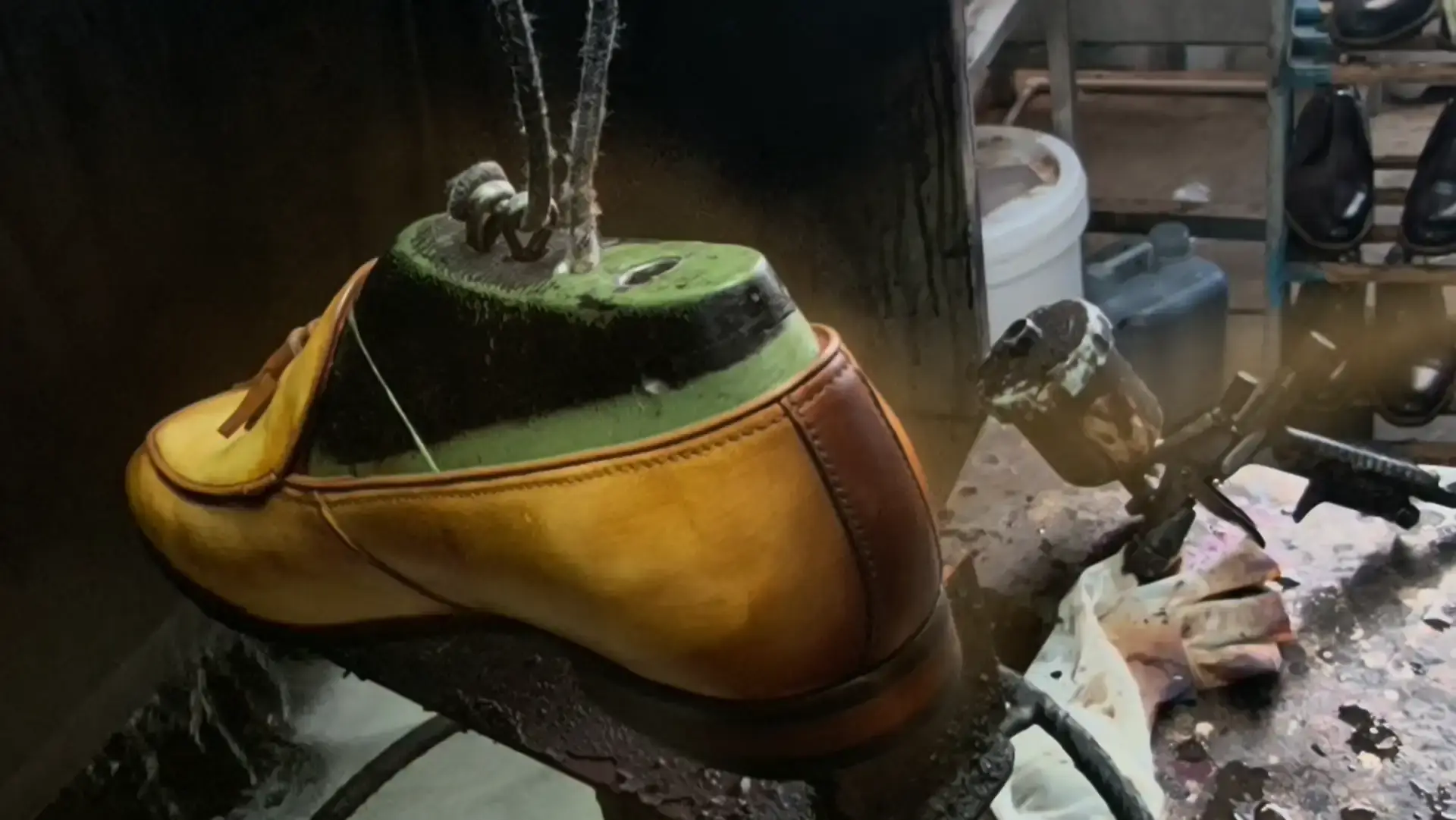
This technique is particularly useful when the shoe itself has a clean design.
For example:
- Oxford Shoes
- Derby Shoes
- Monk Shoes
- Loafers
- Chelsea Boots
Why?
Because there is less decoration competing with the colour.
A simple shoe can allow the leather finish to become the main visual feature.
For example, a clean Goodyear shoes with a well-developed patina can combine traditional construction with a more distinctive colour finish.
This gives brands another way to create premium-looking products without changing the basic silhouette.
What Should B2B Buyers Ask a Manufacturer?
If you are considering hand-painted leather shoes for your brand, ask the factory a few practical questions.
Can you develop custom colours?
You should not be limited to the factory’s existing colour chart.
Can you work from a reference sample?
This is useful when you already have a target colour or product direction.
How do you control colour consistency?
Hand finishing naturally creates some variation, but production still needs a clear standard.
Can the same colour be reproduced in future orders?
This is important for brands planning repeat production.
Can you combine hand finishing with different constructions?
For example, your collection may include Blake or Goodyear welted shoes.
Can you handle private label branding?
The product may also require your logo, insole, packaging and other branding details.
These questions help you understand whether the factory can support a real product development program rather than simply selling an existing shoe.
How Topmenz Can Support Custom Leather Shoes
For B2B brands, Hand-drawn organization should be regarded as a core part of the complete product development process.
The leather, last, construction, sole, colour and finishing should work together.
Topmenz supports custom footwear manufacturing, including OEM, ODM and Private Label development for international B2B customers.
You can also review our shoe manufacturing process to see how a footwear idea moves through development and production.
For premium leather footwear, quality control is equally important.
The final inspection should check the leather, colour, finishing, stitching, sole and overall consistency before shipment.
Where Can Hand-Painted Leather Shoes Create Growth?
For a footwear brand, the opportunity is not only to sell a more beautiful shoe.
It can open several directions.
1. Premium Product Lines
Use hand finishing to create a higher-positioned collection.
2. Limited Collections
Develop special colour combinations for seasonal or limited products.
3. Private Label Differentiation
Give your private label collection a visual identity that is different from standard catalogue shoes.
4. Higher-Value Customer Segments
Hand-finished products can help brands target customers who care more about materials, craftsmanship and individuality.
5. More Colour-Based Products
One successful shoe design can be developed into several colour stories.
This creates more product choices without completely changing the shoe structure.
FAQ
What are hand-painted leather shoes?
They are leather shoes finished with colour applied by hand in layers to create more depth and tonal variation.
Are hand-painted shoes better than regular leather shoes?
Not automatically. The value depends on the leather, craftsmanship, construction and quality of the final product. Hand finishing mainly provides a more distinctive appearance.
Can a shoe factory create custom hand-painted colours?
Yes. An experienced manufacturer can develop colours based on a reference sample, colour direction or brand requirement.
Are hand-painted leather shoes suitable for private label brands?
Yes. They can be especially useful for brands looking for a more premium and distinctive product range.
Can hand-painted finishing be used on Goodyear shoes?
Yes. Hand finishing can be combined with different shoe constructions, including Goodyear welted footwear, depending on the product design.
Will every pair look exactly the same?
Hand finishing can create small natural differences between pairs. The goal is to maintain the same overall colour standard while keeping the character of the handmade finish.
Conclusion
Hand-painted leather shoes are more than a traditional finishing technique.
For B2B footwear brands, they can become a practical way to create differentiation.
The right leather and colour can make a familiar Oxford, Derby, Monk or loafer look completely different.
More importantly, hand finishing can help a brand build a stronger product story, develop more colour options and create a more premium market position.
The key is not simply to make the shoe look expensive.
The goal is to create a product that gives customers a reason to choose your brand.
If you are developing a premium leather shoe collection, Topmenz can support custom footwear, OEM, ODM and private label development from product concept to production.